Training & Consultancy
Raising Freshness, Feeding the Future
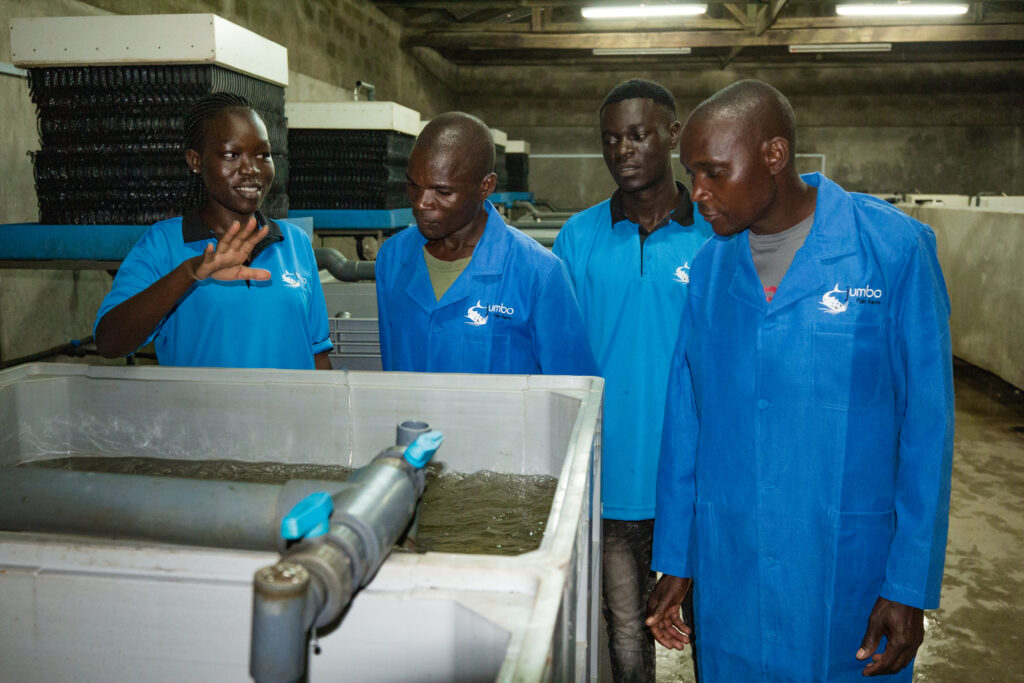
Training and capacity building are crucial for improving knowledge of best management practices in sustainable aquaculture. In collaboration with the Kenya Fisheries Service, we have developed specialized modules to address key areas for sustainable solutions.
These modules are categorized into three levels: Basic, Intermediate, and Advanced.
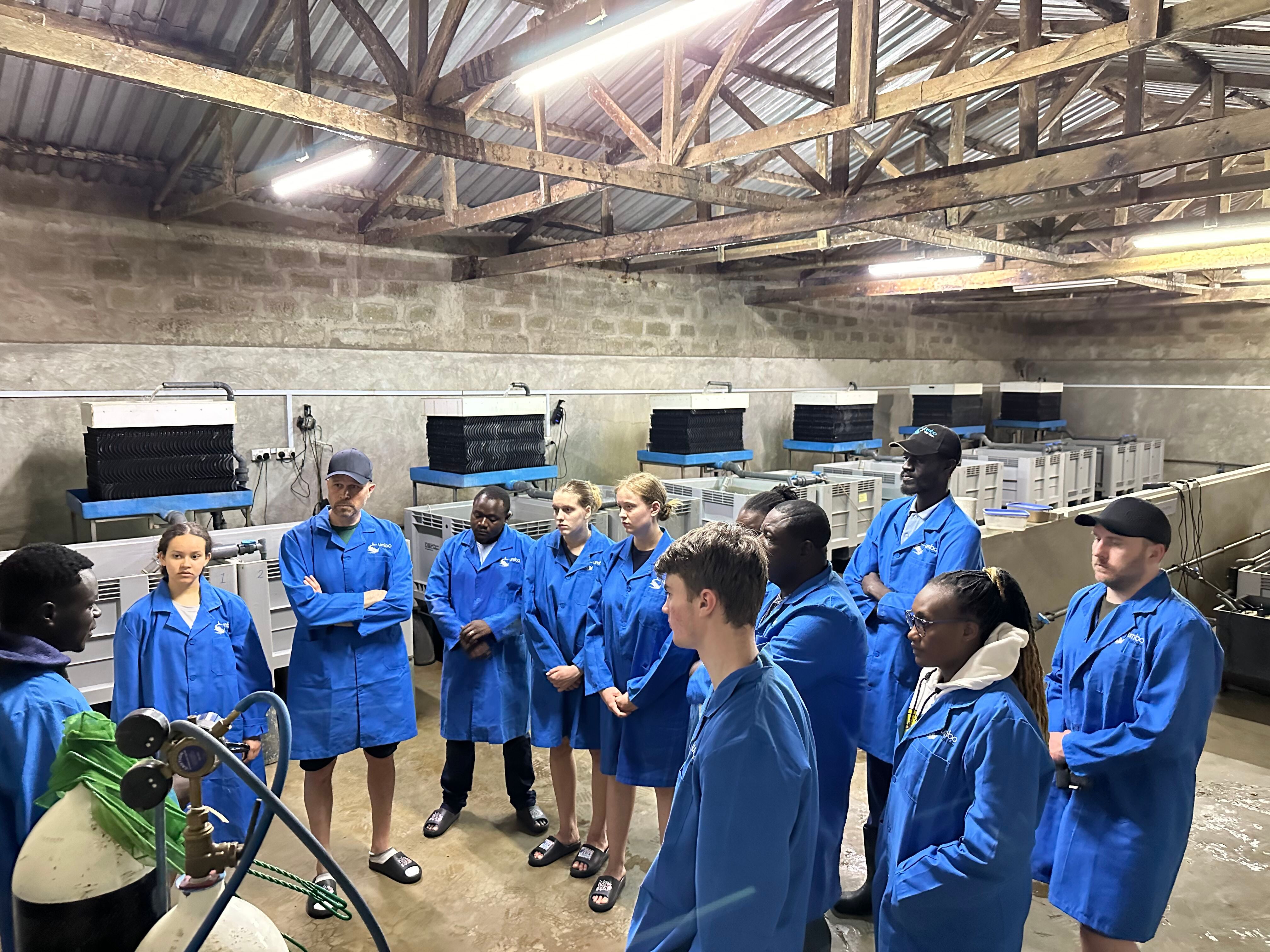
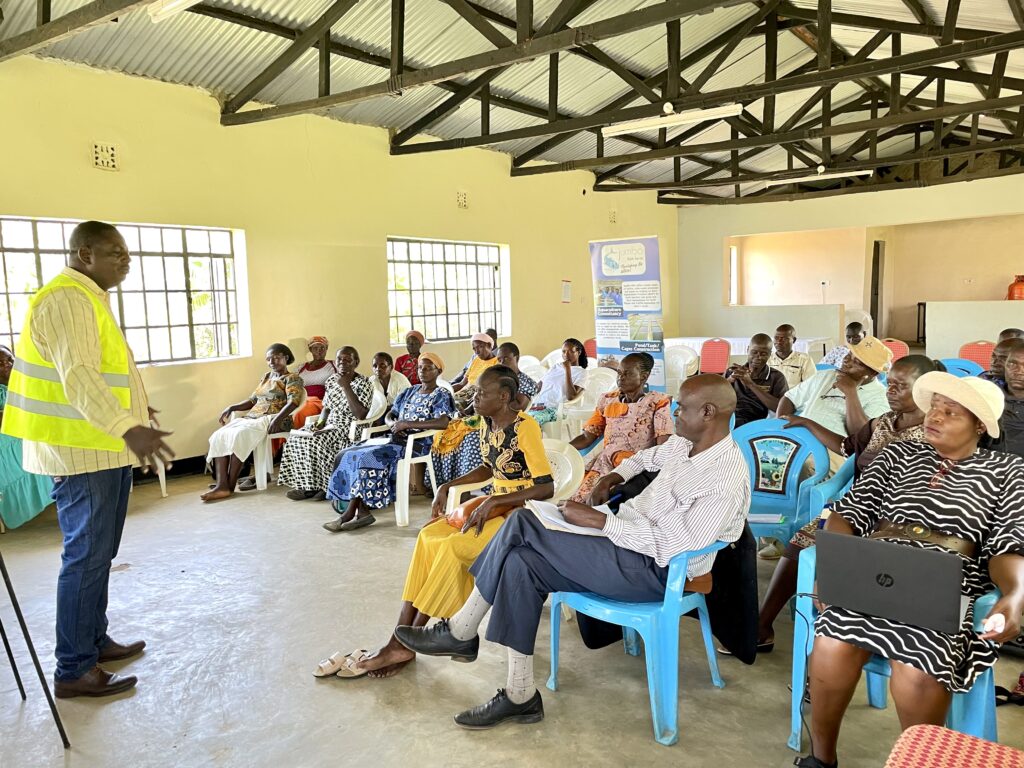
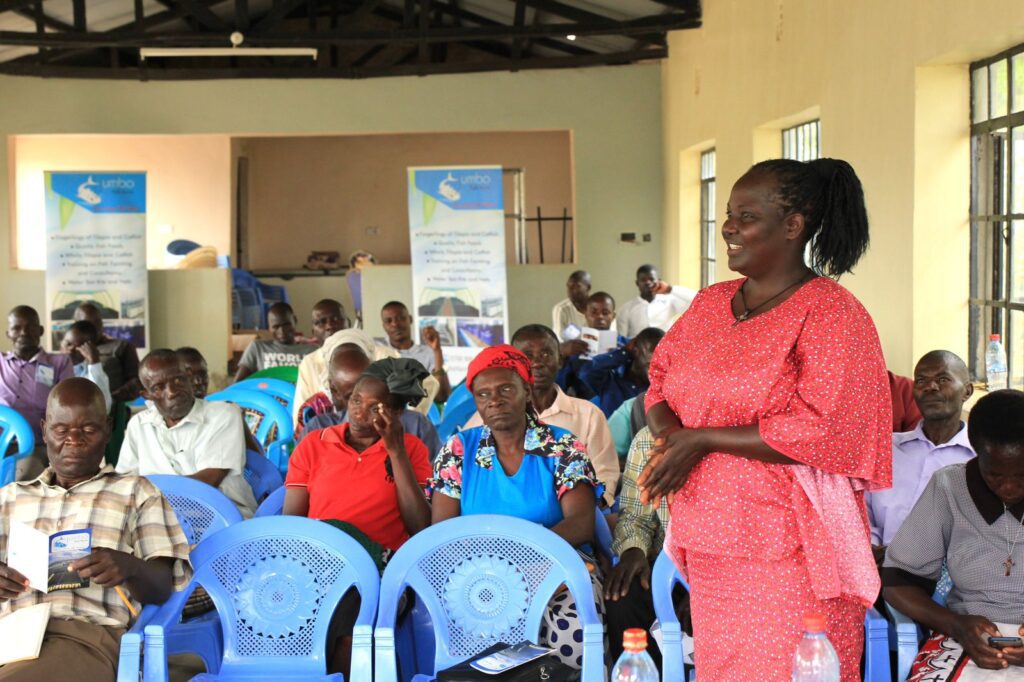
Raising Freshness, Feeding the Future
Farmer Training & Capacity Building
Knowledge on best aquaculture practices such as proper pond management,fish breeding techniques,feeding frequency are very important to farmers.Through capacity building and training, farmers are able to obtain these skills and hence increase on their profits.
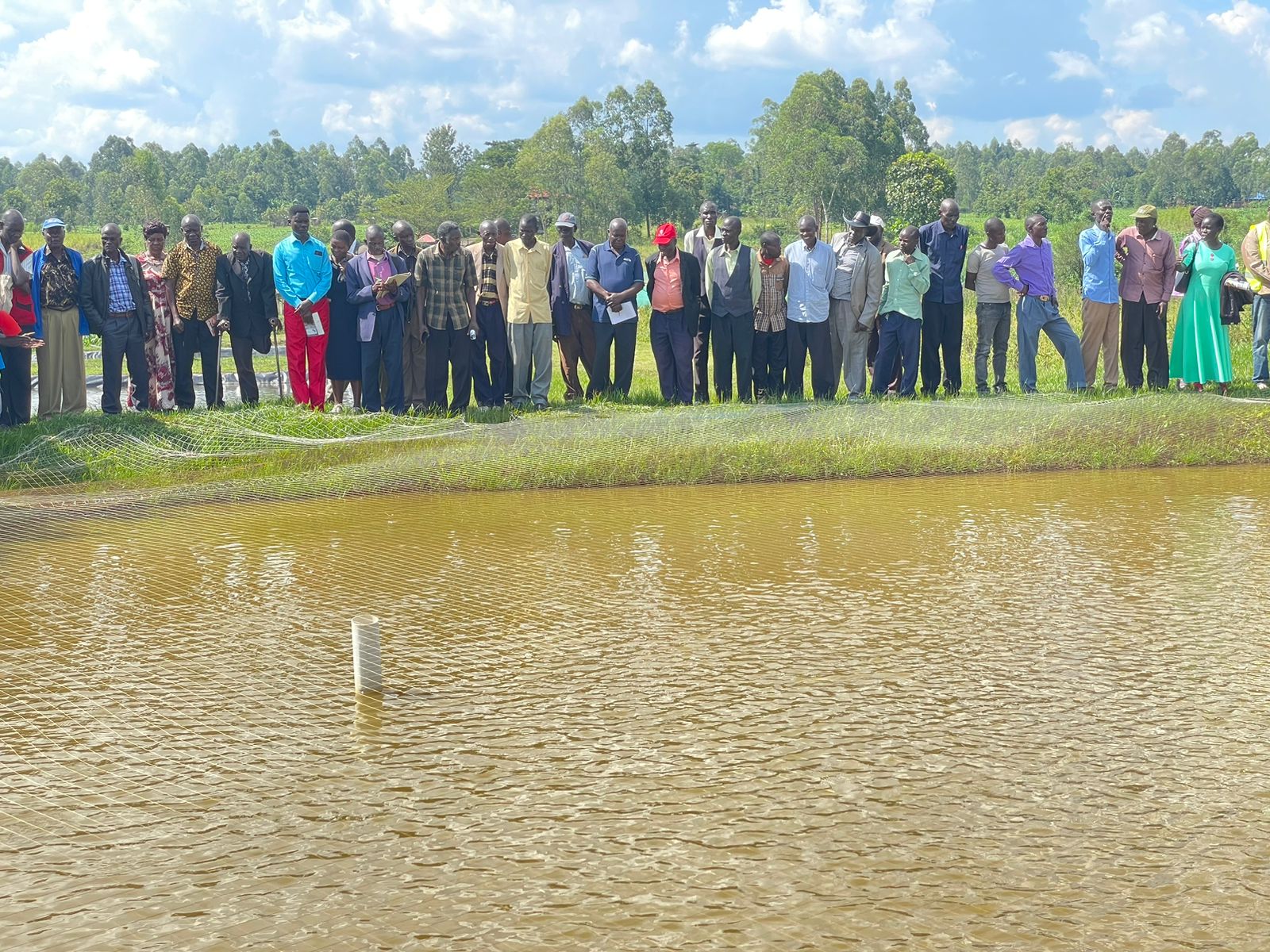
Basic Training
- Introduction to Aquaculture: Fundamentals of aquaculture practices.
- Pond Construction and Management: Techniques for building and maintaining fish ponds.
- Fish Harvesting and Handling: Best practices for harvesting and handling fish to reduce post-harvest losses.
- Value Addition and Record Keeping: Strategies for adding value to fish products and maintaining accurate records.
- Systems in Aquaculture: Overview of different aquaculture systems, including pond, cage, and recirculating systems.
- Fish Feeding and Management: Principles of feeding and managing fish for optimal growth.
- Culture System Management: Managing water quality and other environmental factors in aquaculture systems.
- Hatchery Management: Techniques for managing fish hatcheries effectively.
- Fish Diseases and Trends in Aquaculture: Understanding common fish diseases and current trends in the aquaculture sector.
Basic Training
Advance Training