Economic Impacts
Driving Economic Growth
Jumbo Fish Farm is a catalyst for economic transformation — generating income, strengthening markets, and fuelling entrepreneurship across the aquaculture value chain and the wider blue economy.
Household Income Growth
Stronger Local Markets
New Enterprise Creation
Income Generation
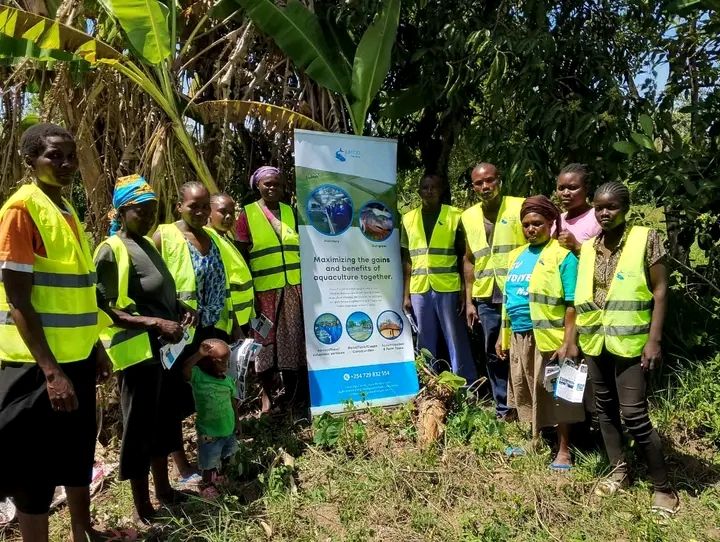
Jumbo Fish Farm is committed to improving household incomes by supporting fish farmers, suppliers, and small enterprises involved in aquaculture production and related services. Through training, technical support, and improved market access, farmers are able to increase productivity, reduce losses, and improve the quality of their products, leading to better returns on investment.
Income generated from aquaculture activities supports household needs such as education, healthcare, food, and housing while stimulating economic activity within local communities. This also encourages diversified income streams through value addition, hospitality services, fish processing, and aquatourism activities.
Market Development
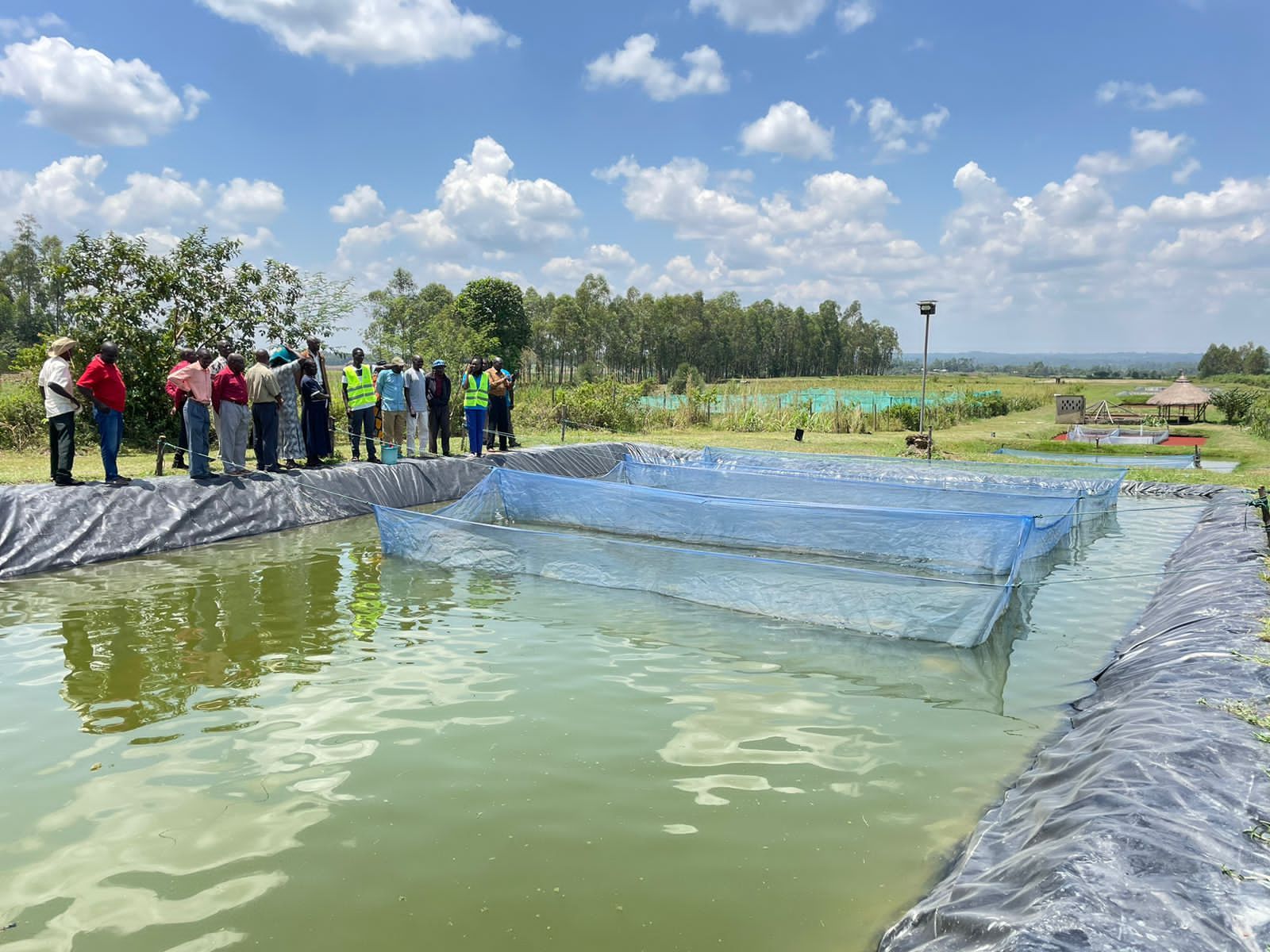
Jumbo Fish Farm aims at strengthening local and regional fish markets by improving the consistency, quality, and reliability of fish supply chains. By connecting farmers to buyers, aggregating production, and supporting fair trade practices, the initiative helps create more structured and efficient aquaculture markets.
Supplying high-value fish products to hotels, restaurants, supermarkets, institutions, and local consumers increases revenue generation while responding to growing market demand for affordable protein sources. Improved market systems also encourage investment, business growth, and stronger value chain integration within the aquaculture sector.
Entrepreneurial Growth
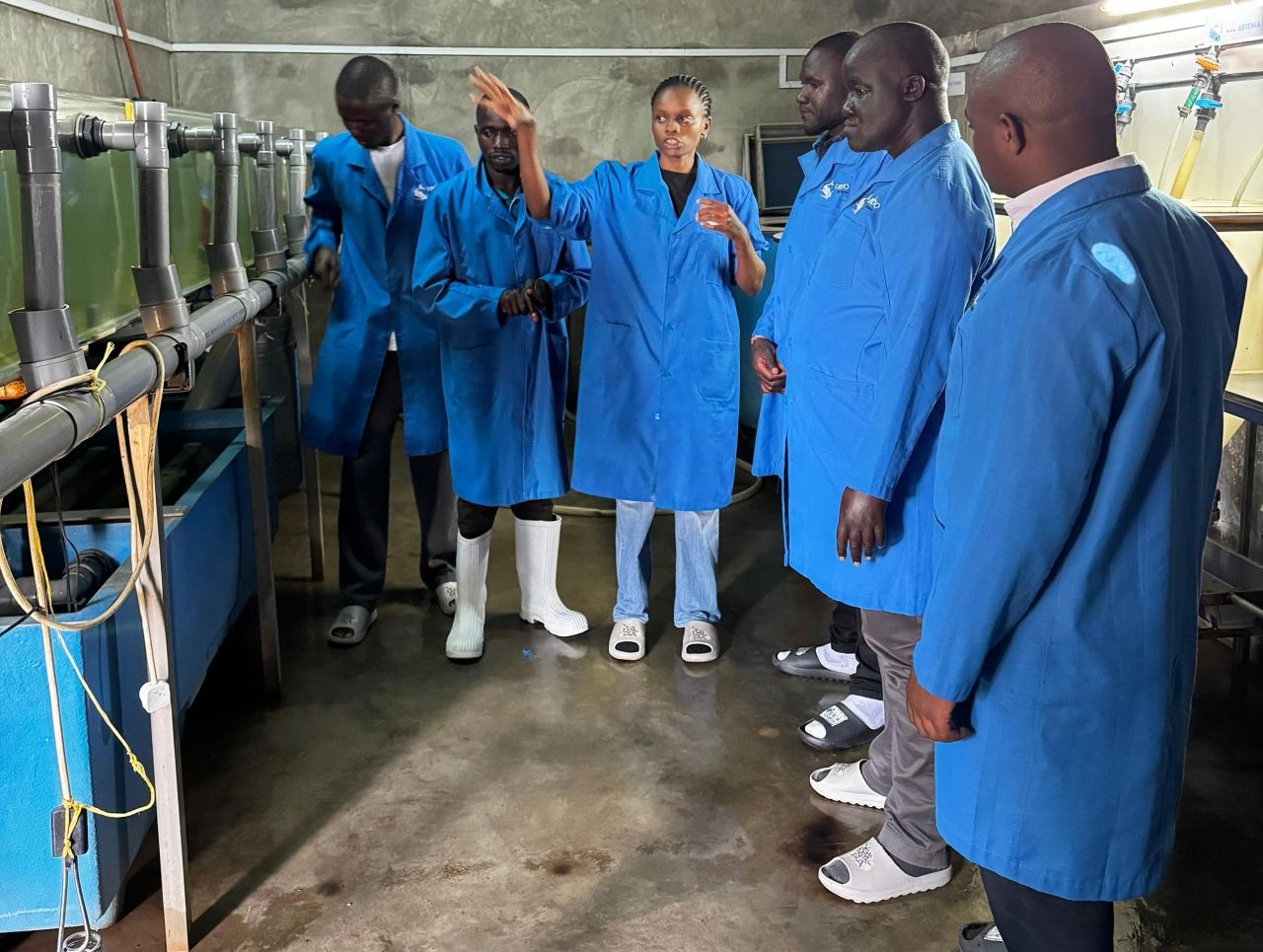
Jumbo Fish Farm supports entrepreneurship by creating opportunities for individuals and groups to establish and expand aquaculture-related enterprises. Small-scale farmers are encouraged to transition into commercially viable operations through access to technical training, mentorship, market opportunities, and production support.
The growth of aquaculture also stimulates complementary businesses such as hatcheries, feed production, fish processing, cold chain logistics, equipment supply, transport services, and hospitality ventures — a broader ecosystem of opportunity that contributes to rural economic transformation, innovation, and resilience within the blue economy.
Explore Our Other Impact Areas