Environmental Impacts
Our Environmental Commitment
At Jumbo Fish Farm, environmental stewardship is at the heart of every operational decision. From water conservation to biodiversity protection, we integrate sustainable practices across our entire aquaculture value chain to protect the ecosystems we depend on.
Water Conservation
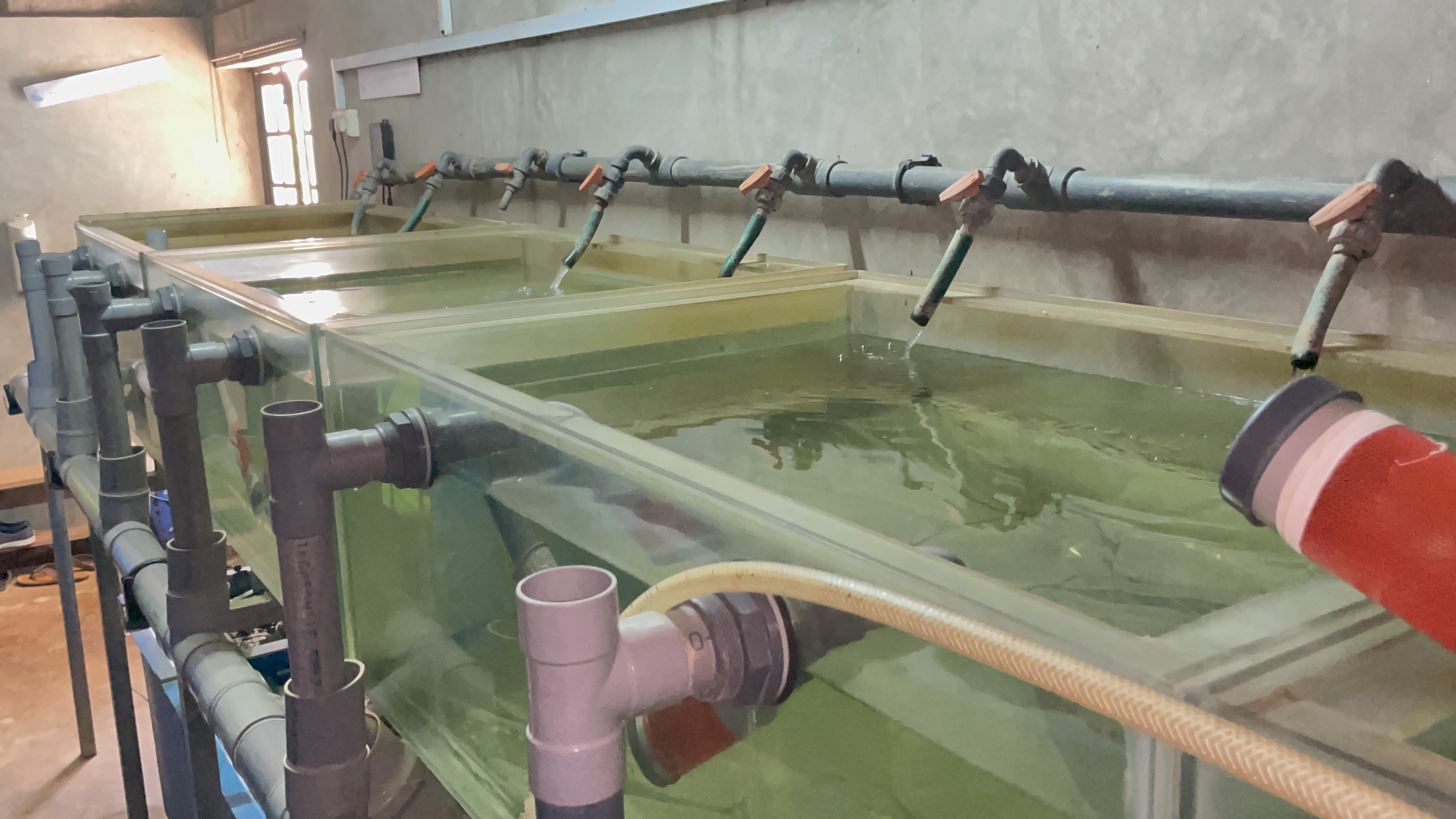
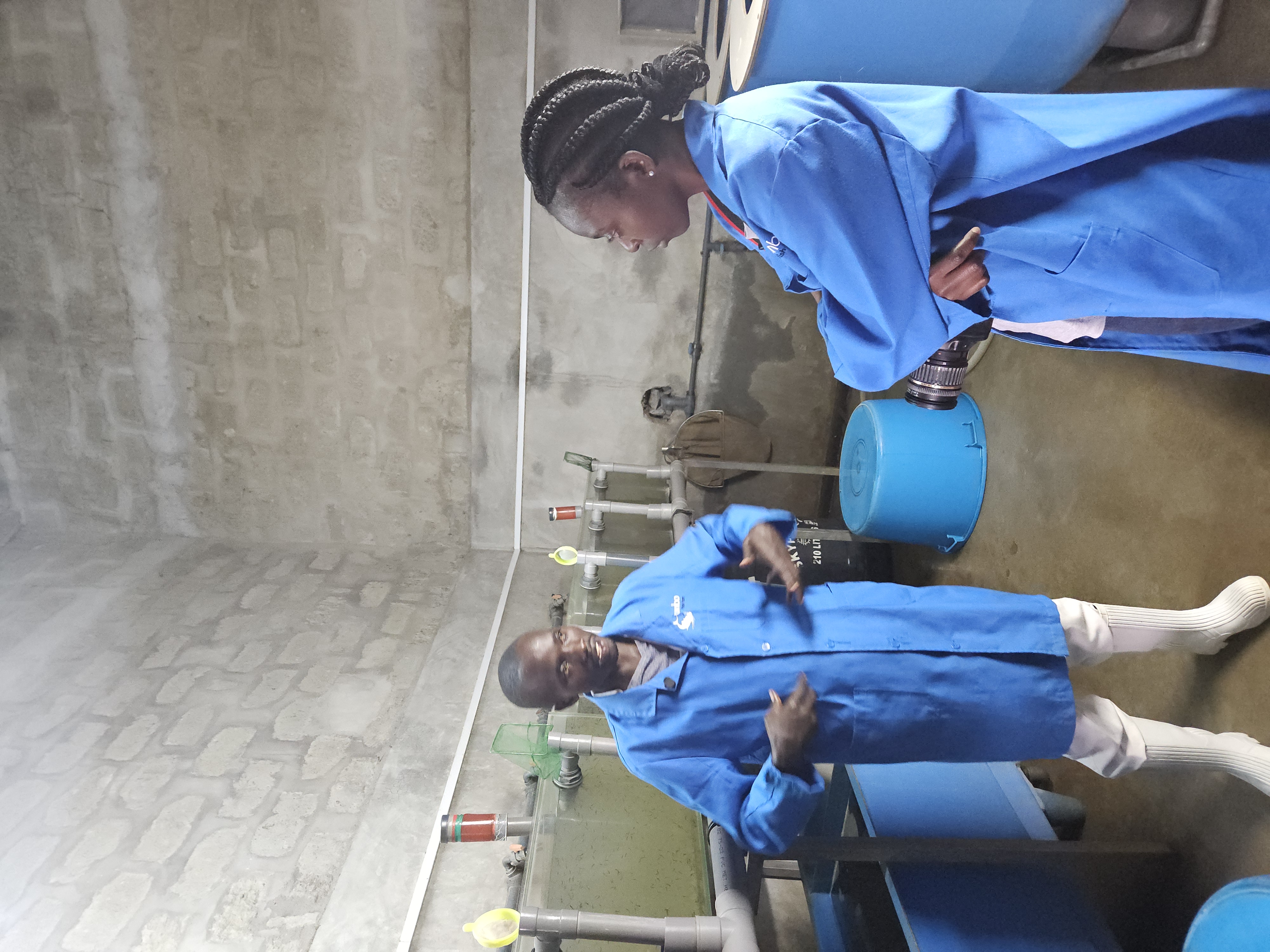
Jumbo Fish Farm promotes sustainable water conservation through the adoption of water-efficient aquaculture technologies and responsible farm management practices such as Recirculating Aquaculture Systems (RAS), improved pond management practices, and controlled water exchange systems. These approaches significantly reduce water wastage by allowing continuous filtration and reuse of water within production units. In addition to conserving water resources, the systems minimize the discharge of untreated effluents into rivers, lakes, and surrounding ecosystems, thereby reducing environmental contamination and protecting aquatic biodiversity.
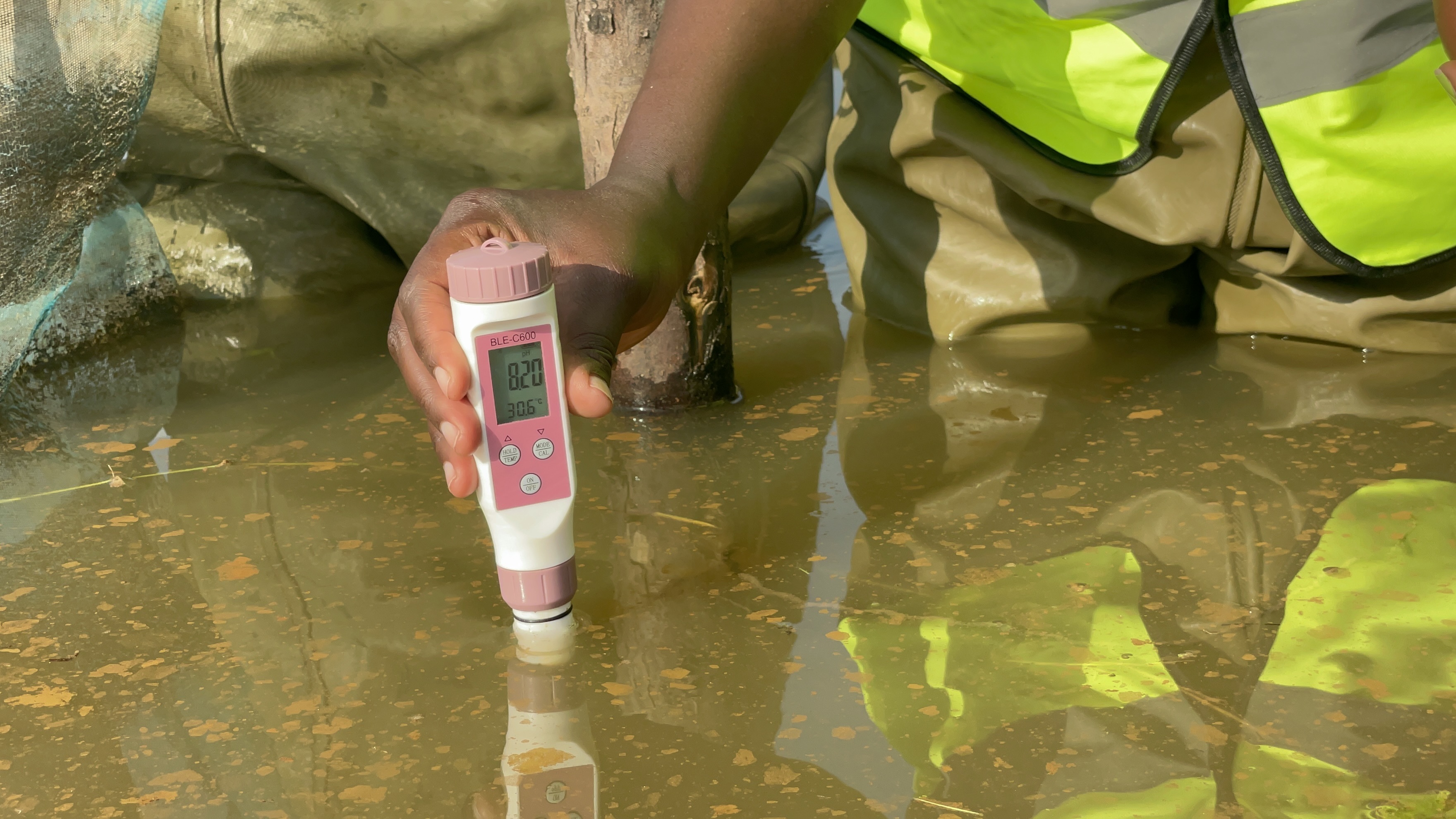
Water quality monitoring and management practices are also integrated into farm operations to ensure optimal production conditions while promoting environmental stewardship. By reducing excessive water abstraction and encouraging sustainable resource utilization, the initiative contributes to long-term water security for both farming communities and surrounding ecosystems.
Reduced Antibiotic Dependency
Jumbo Fish Farm emphasizes preventive fish health management practices that reduce the need for excessive antibiotic use. Through strict biosecurity protocols, proper stocking densities, water quality management, vaccination where applicable, and routine health monitoring, fish are maintained in healthier production environments with lower disease outbreaks.
Natural disease prevention strategies such as improved nutrition, stress reduction, and proper sanitation further support fish immunity and overall farm productivity. Reducing reliance on antibiotics helps mitigate the growing global concern of antimicrobial resistance, protects consumer health, and ensures safer fish products for local and regional markets. This approach also promotes environmentally responsible aquaculture by limiting the release of pharmaceutical residues into natural water systems.
Biodiversity Protection
Jumbo Fish Farm supports the conservation of aquatic biodiversity by promoting responsible aquaculture practices that protect natural ecosystems and indigenous fish species. Measures are taken to prevent the introduction and spread of invasive species that may disrupt ecological balance or threaten native fish populations.
Production systems are designed to minimize habitat destruction and reduce pressure on wild fish stocks through sustainable fish seed production and responsible sourcing of aquaculture inputs. Environmental management practices such as buffer zone protection, responsible waste disposal, and ecosystem-sensitive site selection help preserve wetlands, riverbanks, and surrounding habitats. By integrating environmental conservation into aquaculture development, Jumbo Fish Farm contributes to maintaining healthy ecosystems while supporting sustainable fish production and long-term ecological resilience.
Sustainable Feed Practices
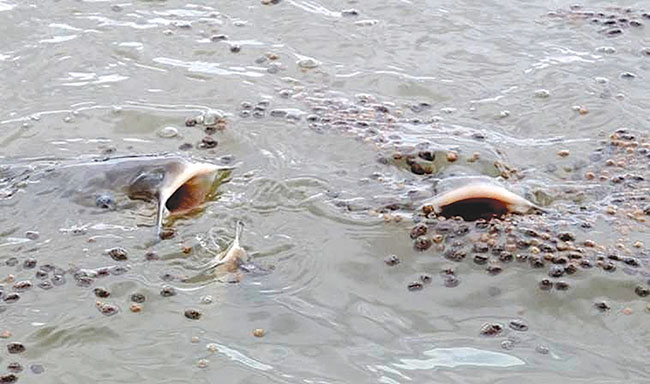
Jumbo Fish Farm promotes the use of environmentally sustainable feed alternatives aimed at reducing dependence on wild-caught fish for fishmeal and fish oil production. The incorporation of plant-based ingredients, insect protein, and locally available feed resources supports more sustainable aquaculture value chains while lowering pressure on marine ecosystems.
Efforts are also made to improve feed conversion efficiency through proper feeding strategies, feed quality management, and farmer training. Efficient feed utilization reduces waste accumulation in ponds and water systems, minimizes production costs, and lowers the environmental footprint of aquaculture operations. By encouraging sustainable feed innovation and responsible feeding practices, the farm contributes to resource conservation, climate resilience, and the long-term sustainability of the aquaculture sector.
Effluent Management
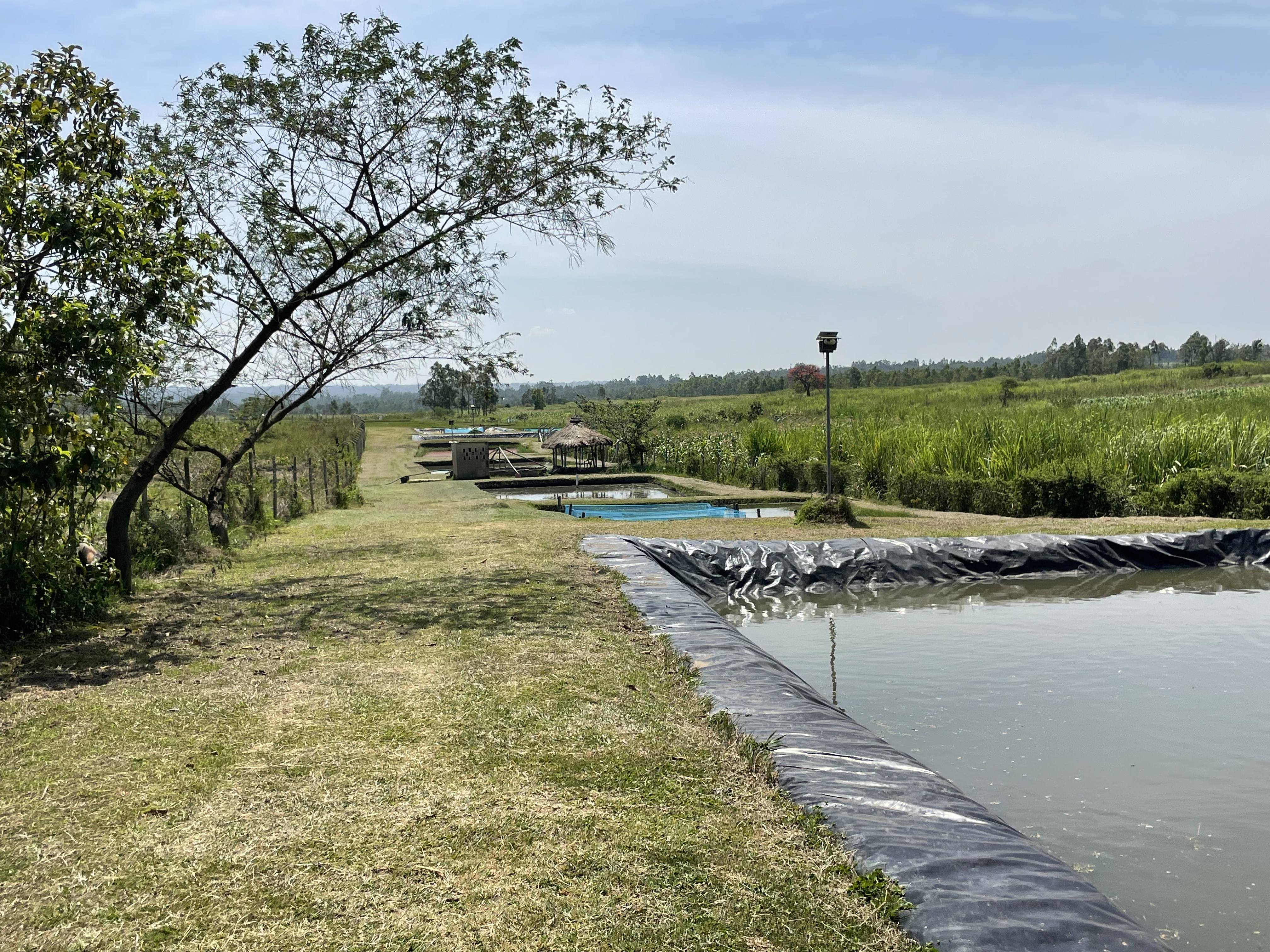
Proper effluent and wastewater management systems are integrated into aquaculture operations to minimize environmental pollution and maintain healthy ecosystems. Jumbo Fish Farm promotes the use of sedimentation ponds, biofiltration systems, vegetation buffers, and natural treatment processes that help reduce nutrient loading and organic waste discharge into nearby water bodies.
These measures help prevent eutrophication, water quality degradation, and the destruction of aquatic habitats caused by uncontrolled waste release. Routine monitoring of water parameters and responsible sludge management further strengthen environmental compliance and sustainable farm operations, contributing to cleaner production systems and improved coexistence between aquaculture activities and surrounding communities.
Animal Welfare
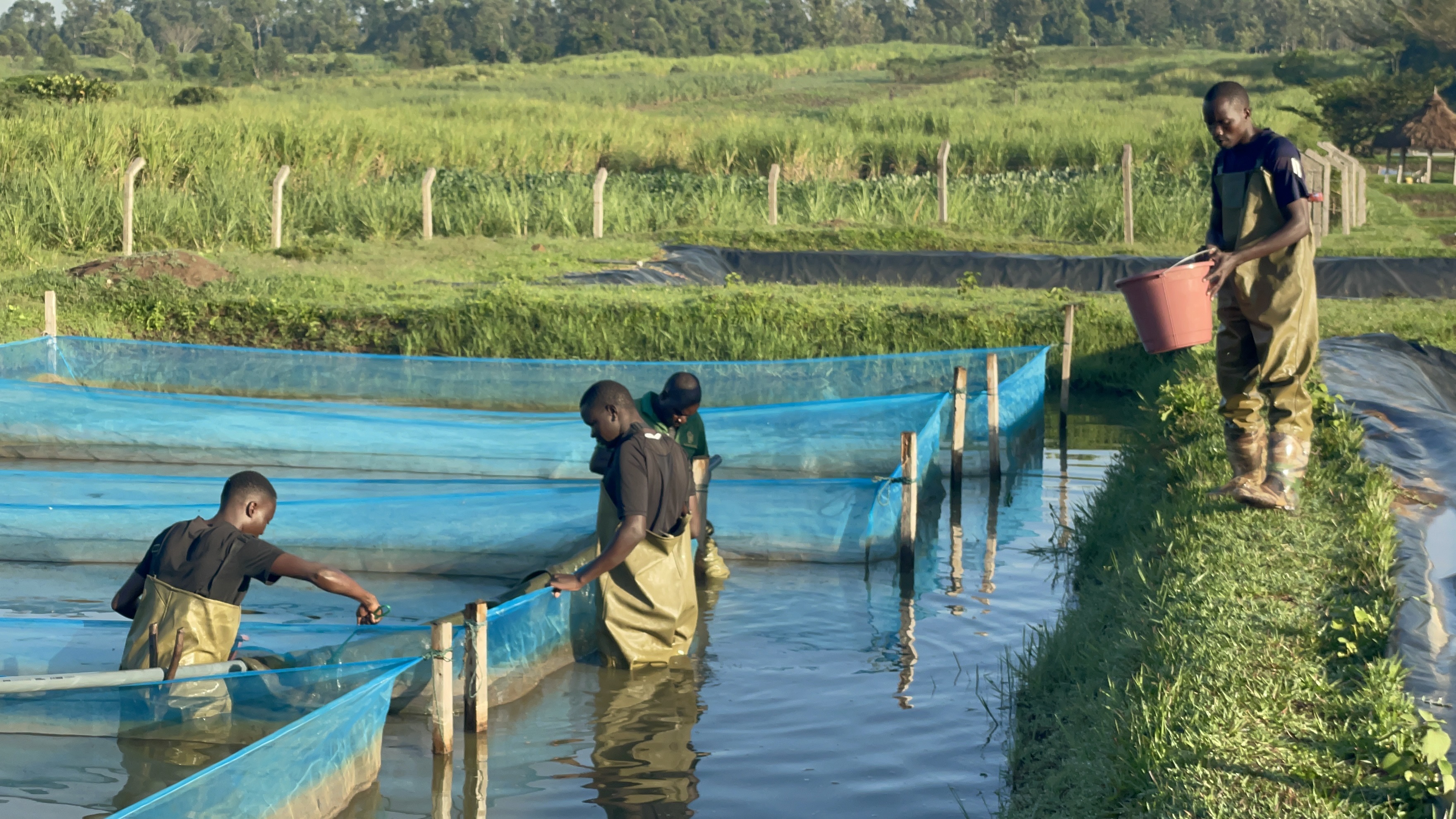
Jumbo Fish Farm recognizes fish welfare as a key component of sustainable aquaculture production. Maintaining appropriate stocking densities, proper water quality, balanced nutrition, and suitable handling procedures helps reduce fish stress, injury, and disease outbreaks.
Good welfare practices improve fish growth performance, survival rates, and overall production efficiency while reducing the need for chemical interventions. Our farm staff are trained on humane fish handling, transportation, harvesting, and health management practices to ensure responsible production standards are maintained throughout the value chain — supporting both ethical aquaculture and environmental sustainability.
Explore Our Other Impact Areas