Aquaculture Consultancy
Raising Freshness, Feeding the Future
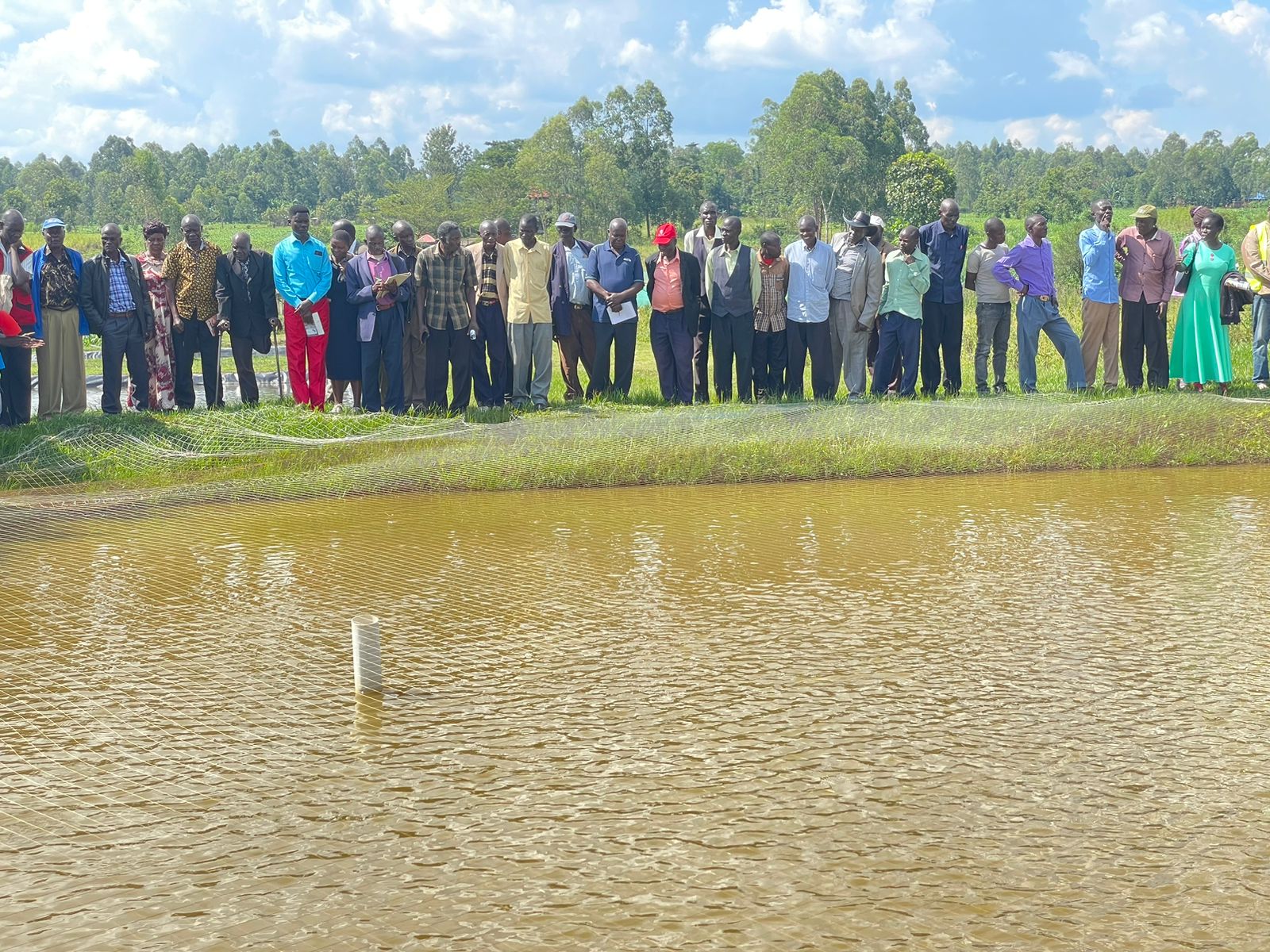
Our Aquaculture Consultancy Services provide professional technical and strategic advisory support to individuals, institutions, investors, development organizations, and commercial enterprises seeking to establish or improve aquaculture operations. The consultancy is grounded in practical experience, scientific knowledge, and industry best practices aimed at promoting sustainable and profitable aquaculture systems.
We offer expert guidance across the entire aquaculture value chain, including site assessment, feasibility studies, hatchery management, pond and cage farming systems, broodstock management, breeding techniques, water quality management, feed formulation, fish health management, and production optimization. Each consultancy assignment is tailored to meet the specific objectives, environmental conditions, and operational needs of the client.
Our team supports clients in designing efficient production systems that maximize output while maintaining environmental sustainability and biosecurity standards. We also advise on climate-smart aquaculture technologies, resource efficiency, waste management, and innovative production approaches such as Recirculatory Aquaculture Systems (RAS).
In addition to technical support, we provide business planning and investment advisory services including project planning, operational management, market analysis, financial projections, and risk assessment. The consultancy service is suitable for startups, expanding fish farms, NGOs, government programs, educational institutions, and private sector investors seeking professional support in aquaculture development.
Through evidence-based recommendations and continuous technical engagement, we help clients improve productivity, operational efficiency, sustainability, and long-term profitability within the aquaculture sector.