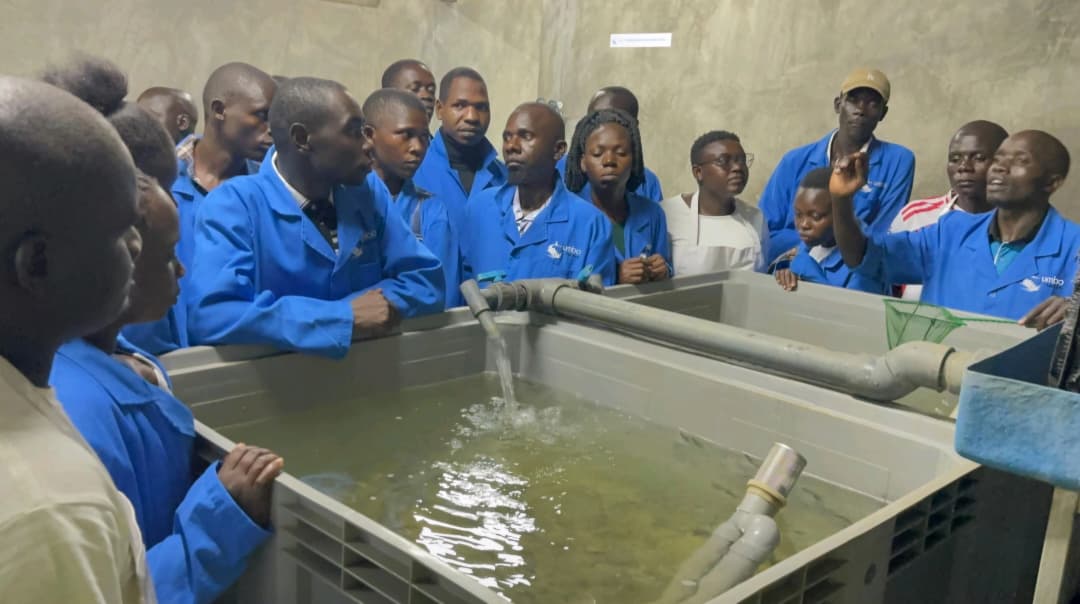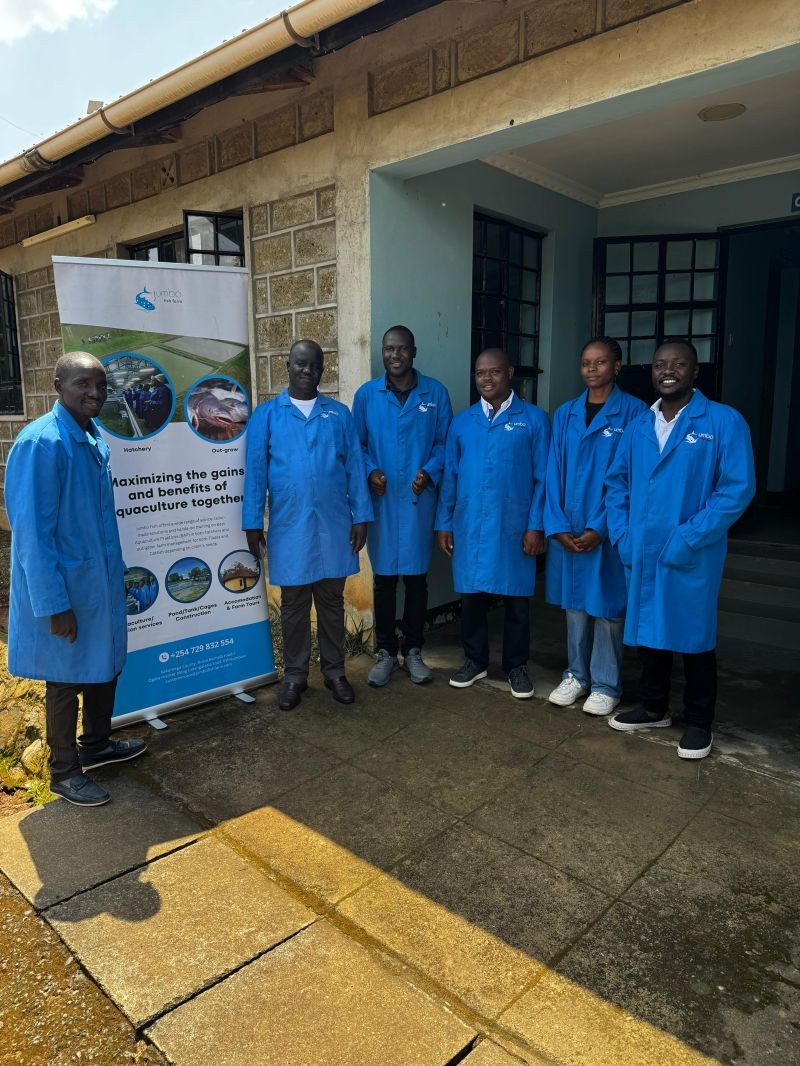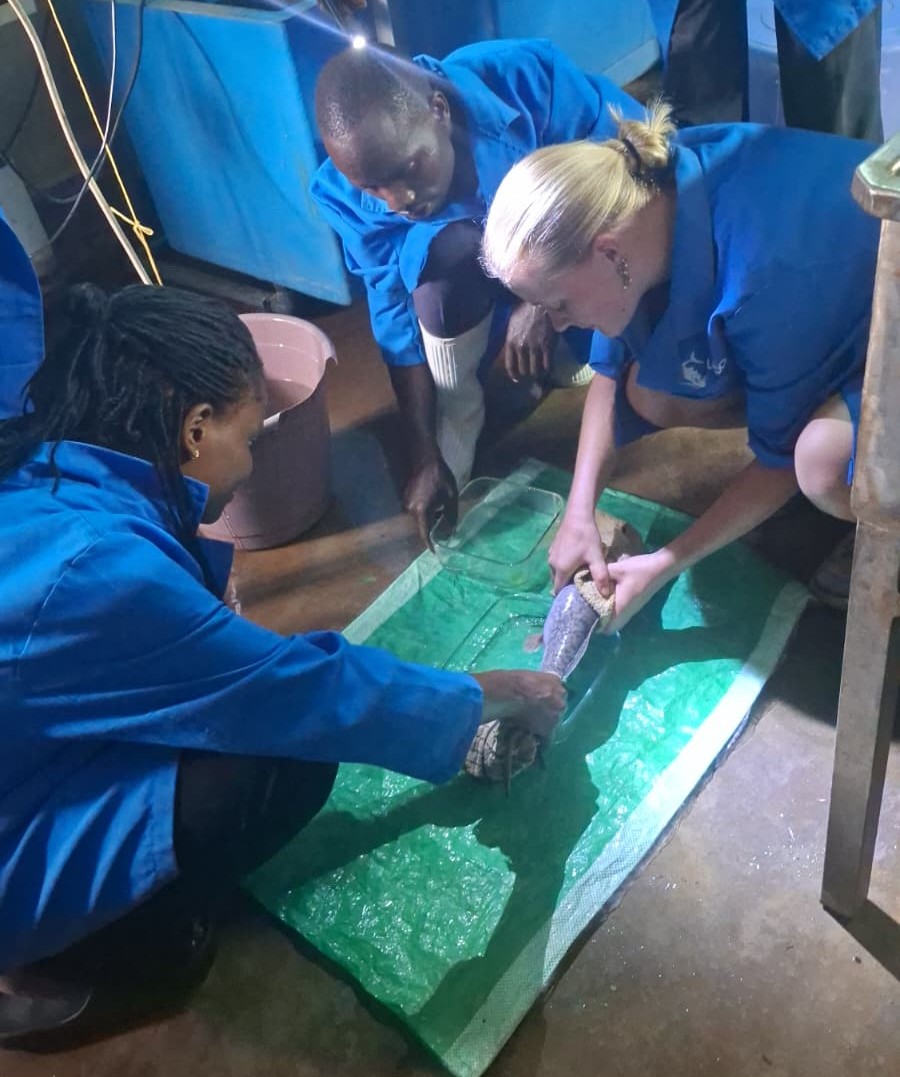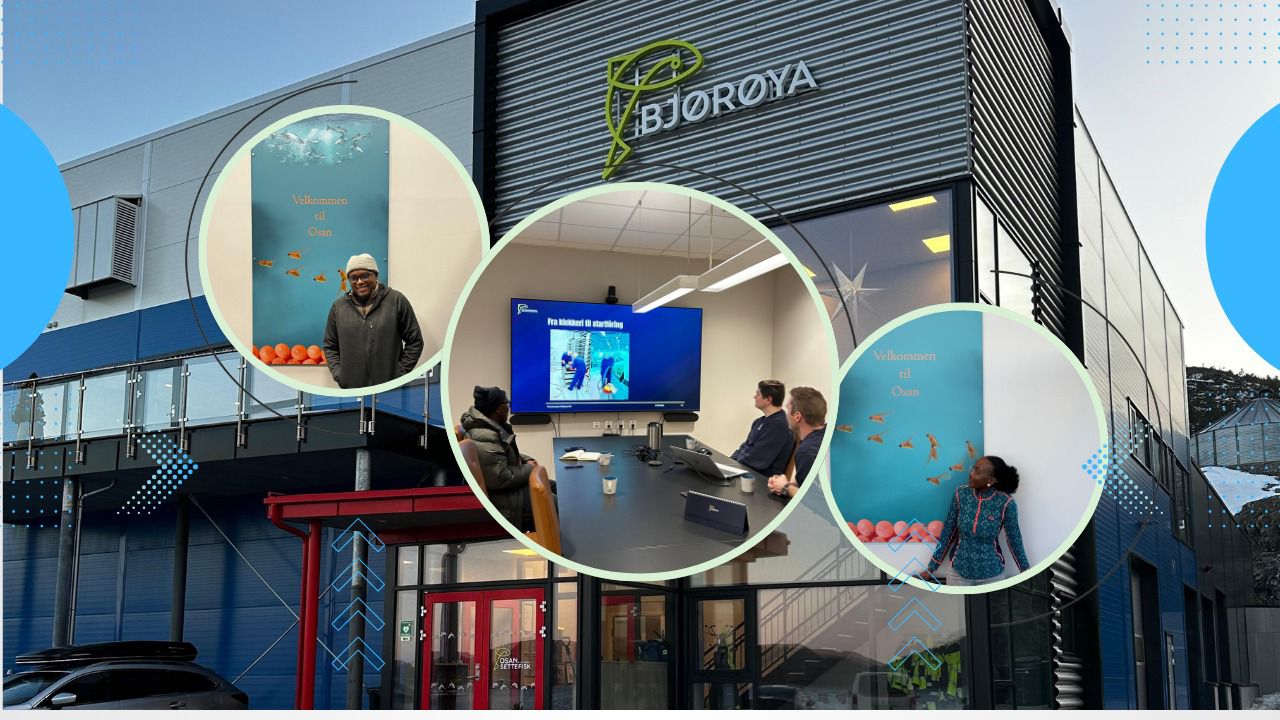
As part of the Kenya - Norway aquaculture best management practices exchange, our team spent an intensive week inside Osan Setterfisk AS hatchery and post-smolt facilities, working alongside their staff and following the production cycle from the inside.
Osan produces juvenile salmon (smolt) under tightly controlled conditions, from egg to robust young fish ready for the sea. Their use of a recirculating aquaculture system (RAS) allows water to be filtered and reused, stabilising conditions while supporting fish welfare and reducing environmental impact.
Early discussions with Osan?s CEO H?vard Horn and Head of Production Rasmus Dolmen set the tone , not just explaining what they do, but how their systems are designed to reduce risk at every stage. That framing mattered. Everything that followed pointed back to a familiar question: how do you design losses out of a system before they occur?
Inside the hatchery, hands-on work made this clear. Daily routines (removing early mortalities, preparing tanks, maintaining hygiene, recording observations) showed how consistency and attention to detail quietly shape survival and performance.
One standout moment was the transfer of fingerlings into the start-feeding section. Osan?s gravity-based pipe transfer system moves fish gently from hatchery to feeding tanks with almost no mortality. For us, where long-distance fingerling transport remains a real operational challenge, this was a powerful example of how infrastructure design can replace stress, loss and strain.
Learning extended beyond the tanks. Routine checks functioned as decision-support tools, backed by structured monitoring that reduces blind spots and improves response time. Waste handling and sludge processing showed how by-products are managed deliberately, while the post-smolt facility reinforced how early-stage discipline influences performance much later in the value chain.
The week was about principles we can adapt: early intervention, bio-security as a shared culture, infrastructure that minimises handling stress and routines that support both people and fish.
These insights feed directly into our work in Kenya by informing hatchery practices, strengthening fingerling quality and reducing avoidable risk across production systems.
The week closed with a joint reflection session with Osan and the JFF team where we also shared insights from tilapia and catfish production in Kenya.
Grateful to Osan Settefisk for the openness and trust throughout the week. This is how exchange becomes impact through real work, shared learning and systems that travel well.
Watch the video here:?https://drive.google.com/file/d/1WQSBSYpJNN3YZk5BTsu5stnPUJO6hBmk/view?usp=sharing