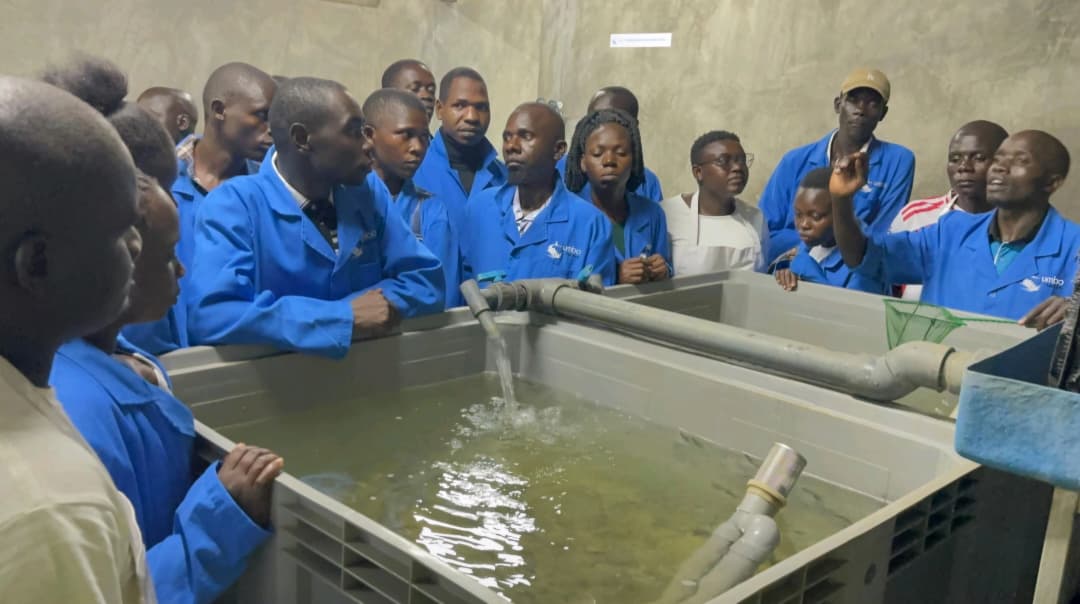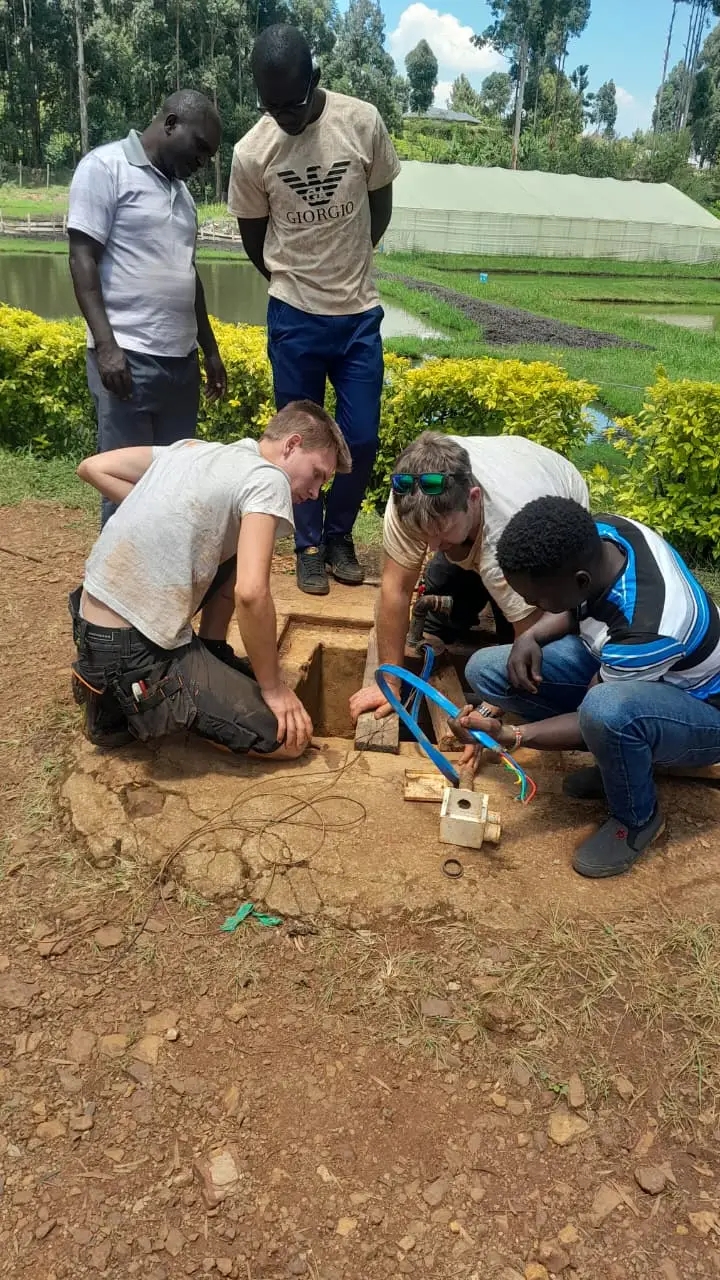
There is a machine in KMFRI Kegati that had not worked for years. Not because it was beyond repair and not because it had reached the end of its life, but because somewhere along the way, the knowledge required to bring it back simply wasn’t present. So it stayed there, part of the environment, adjusted to, worked around and eventually accepted as something that just didn’t function.
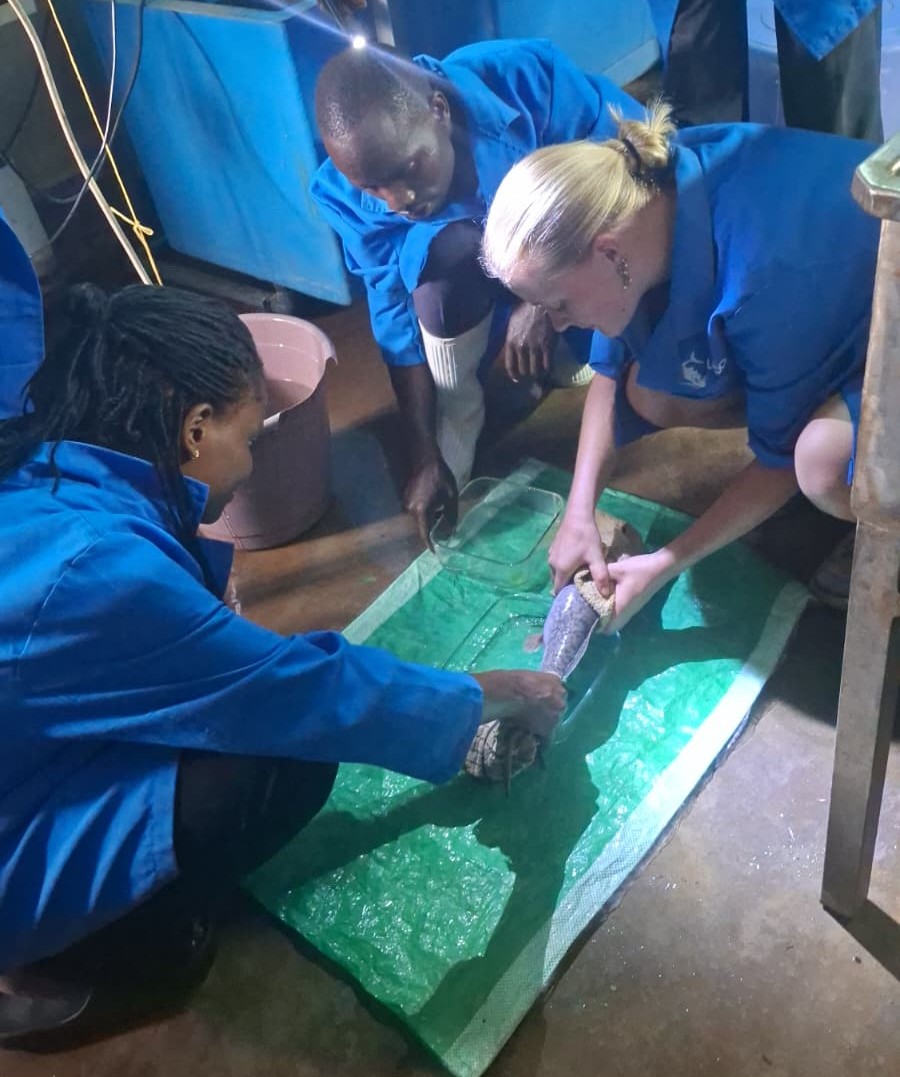
During the exchange, that changed. When the Norwegian technicians arrived, they did not rush to fix it. They began by trying to understand it. They went back to the basics by reviewing how the system was designed to work, looking at the components, asking questions, taking the time to read and interpret what had likely been overlooked for years. What followed was not trial and error, but a deliberate, informed process. And then, after all that time, the machine worked again.
What mattered in that moment was not only that a system had been restored, but that something shifted in how the team on the ground saw the problem itself. A machine that had been written off was no longer a lost asset. It became evidence that the issue had never been just about the equipment, it had been about access to the right knowledge, the right approach, and the confidence to engage with it.
Across many aquaculture operations, not just here but in similar contexts globally, equipment often becomes underutilized or abandoned not because it is unusable, but because the capacity to maintain, diagnose and repair it is limited. Over time, this creates a quiet inefficiency in the system. Resources sit idle. Productivity is reduced. And in some cases, there are environmental consequences as systems meant to regulate water quality, circulation, or energy use fail and place strain elsewhere in the production process.
What this exchange continues to show is that the conversation cannot stop at access; access to equipment, access to infrastructure, access to investment. It has to include what happens after. Who understands the system? Who can fix it when it fails? Who documents the process so that the next breakdown does not become another long-term loss?
This is also where the role of Aquafind becomes part of a larger picture. As a partner within the exchange working with aquaculture equipment, including second-hand systems, the value is not only in making equipment available, but in ensuring it remains usable over time. Because second-hand equipment, when paired with the right technical knowledge and context, can be one of the most efficient ways to scale operations. Without that, it risks becoming exactly what was seen in Kegati; a functioning system, reduced to inactivity.
The takeaway is simple but important. The difference between a system that works and one that doesn’t is not always capital. Sometimes, it is understanding. Sometimes, it is patience. And sometimes, it is the willingness to go back, read the manual and try again.
That is where the real value of the Norec exchange is becoming visible. Not just in movement between countries, but in the kind of knowledge that stays behind, changes how systems are approached, and ensures that what already exists can actually be used.