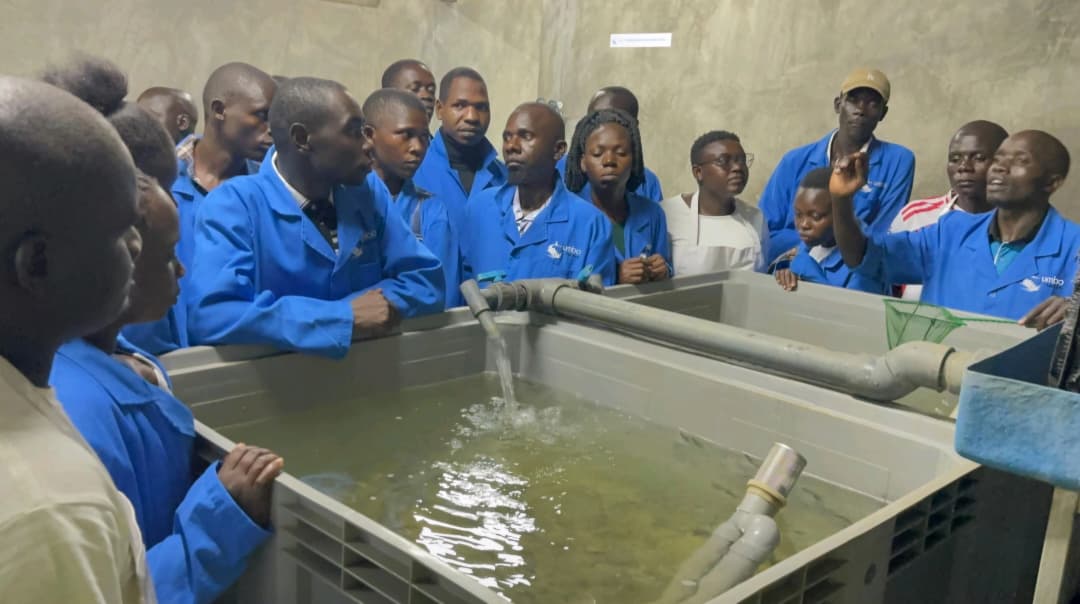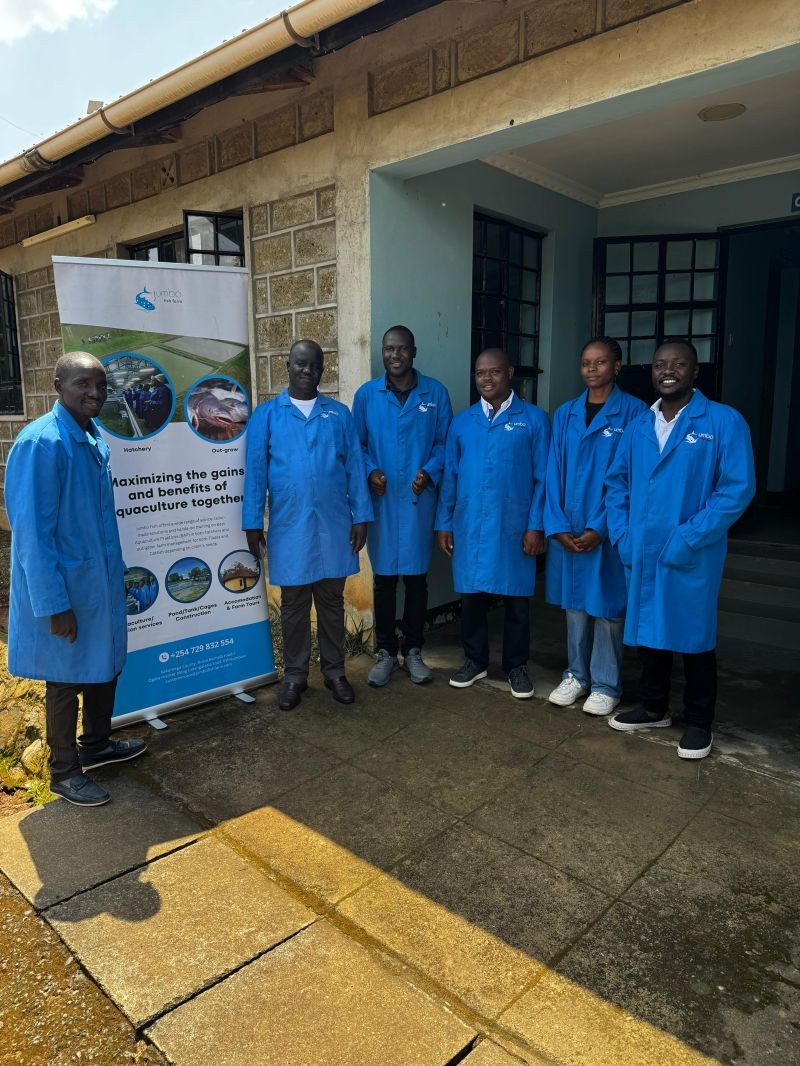
For the past two weeks, something powerful has been unfolding at Jumbo Fish Farm.
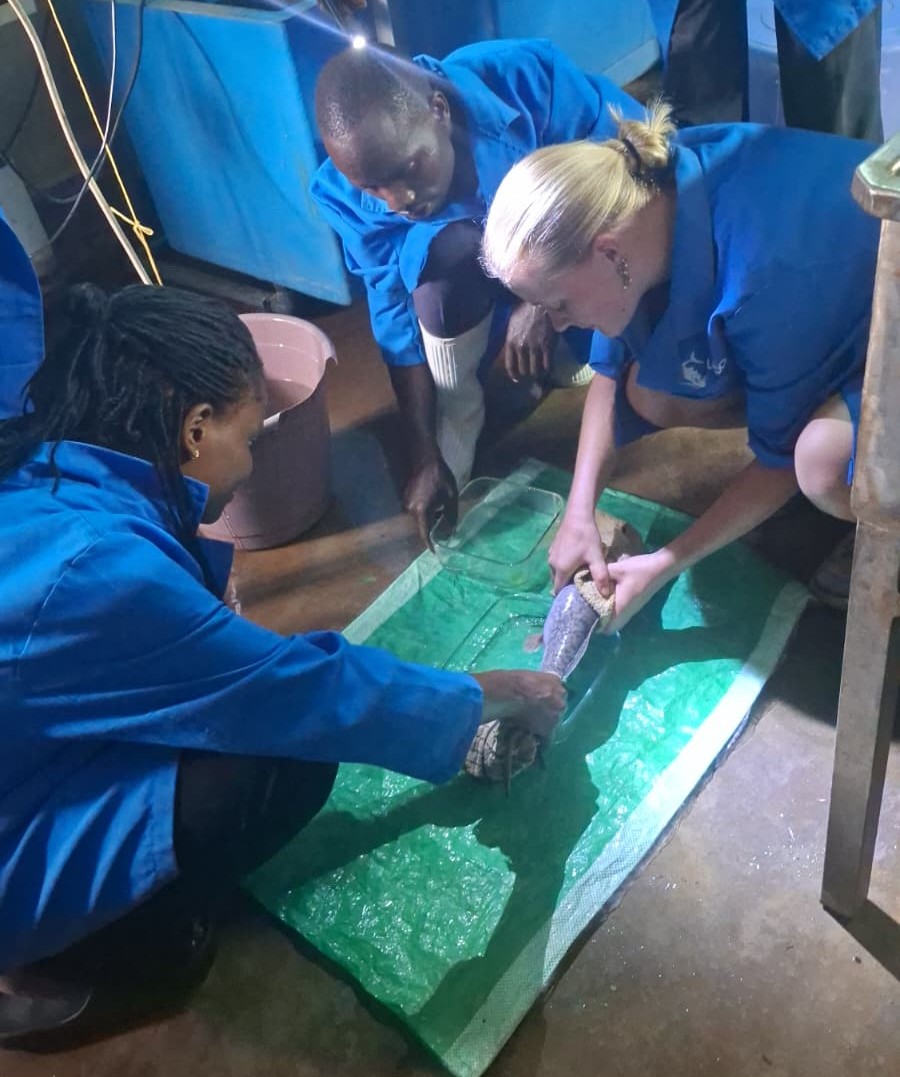
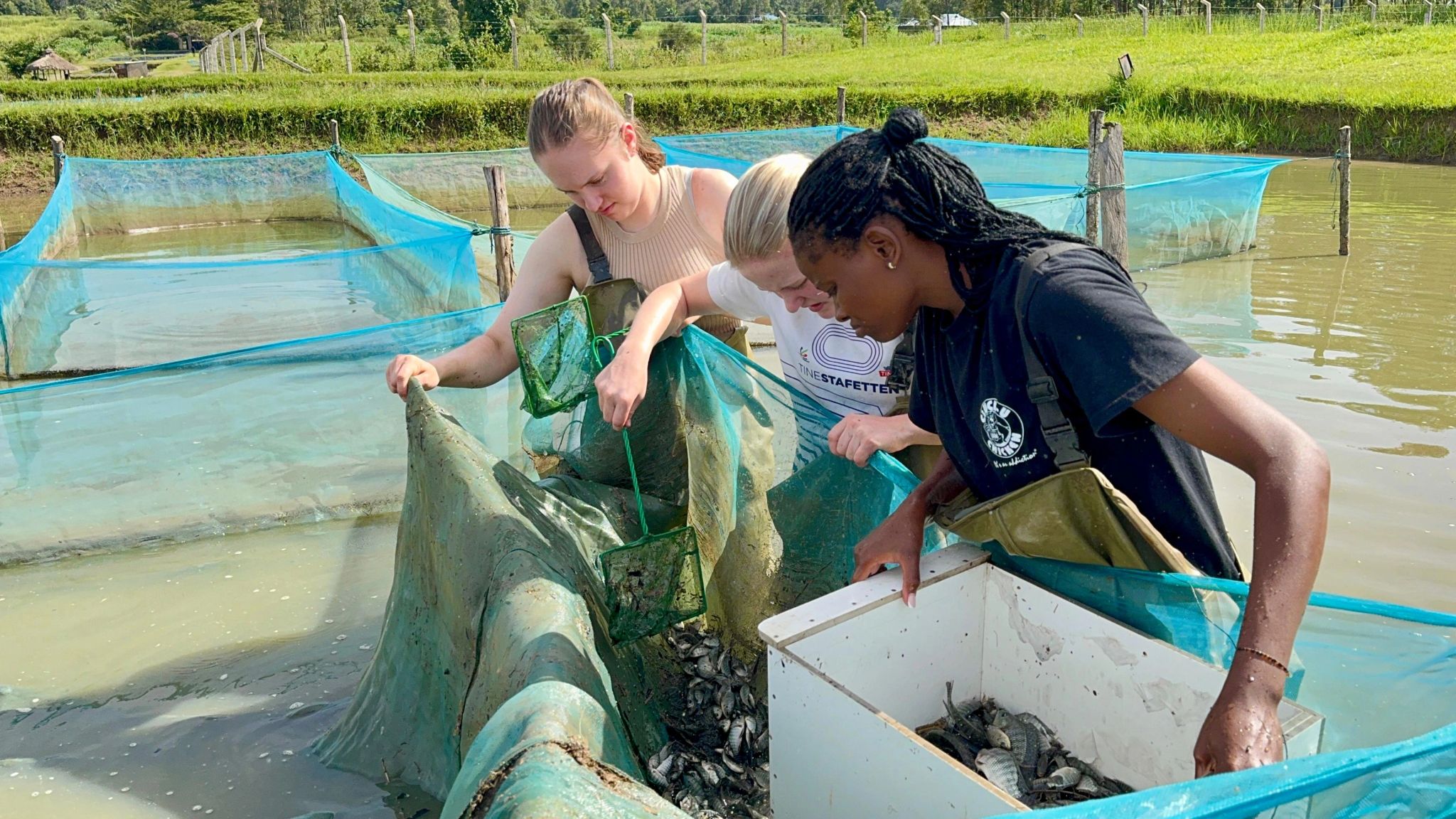
Two students from Val Skoler in Norway, under the Erasmus+ program, have stepped out of their familiar salmon systems and into the dynamic world of tropical aquaculture — fully immersed, hands-on, and learning by doing.
And not from the sidelines.
From early mornings at the ponds to technical sessions in the field, they have been right in the middle of operations — working with tilapia, catfish, and ornamental fish species.
They have sampled fingerlings and post-fingerlings to understand real growth performance on the ground — assessing size uniformity, fish health, and linking this to day-to-day management decisions.
They have also carried out water quality monitoring — tracking pH, temperature, dissolved oxygen, salinity, total dissolved solids (TDS), and conductivity — turning theory into practical discipline that keeps aquaculture systems stable and productive.
But beyond the technical work, this experience is doing something deeper.
It is bridging two worlds:
- Temperate aquaculture systems from Norway, and tropical production systems here in Kenya.
- It is building adaptability.
- It is strengthening practical competence.
- It is shaping professionals who understand aquaculture as a living system — one that demands precision, consistency, and insight.
At Jumbo Fish Farm, we believe this is how resilient aquaculture systems are built — through knowledge exchange, real-world exposure, and shared learning across borders.
Because the future of the blue economy will not be built in isolation.
It will be built together.
#JumboFishFarm #Aquaculture #BlueEconomy #TilapiaFarming #CatfishFarming #WaterQuality #KnowledgeExchange #ErasmusPlus #SustainableAquaculture